




info@kwadrant-ia.nl

Response within 24h

+31 (0)33 299 60 57

Get immediate response

Yacht 55

Navigate to

Hardware Engineering

Electrical design as the basis of your installation

Hardware engineering is the first and essential step within any electrical engineering project. At Kwadrant IA, we translate functional requirements and customer-specific wishes into a complete and standards-compliant technical design.

Using modern engineering tools such as EPLAN P8 and Pro Panel, we achieve clear electrical schematics, a detailed drawing package and a consistent system build ready for panel construction, installation and commissioning. This ensures efficiency, reproducibility and structural quality within any electrical installation.

Hardware Engineering for Mechanical Engineering

Like the conductors of a symphony orchestra, Kwadrant IA orchestrates your hardware engineering projects with masterful precision. We are a determined player in the world of hardware engineering, responding seamlessly to your needs and moving quickly without compromising on quality or durability. Step into our world of technological ingenuity and discover how we can enhance your mechanical engineering projects with sophisticated engineering.

Practical applications of hardware engineering

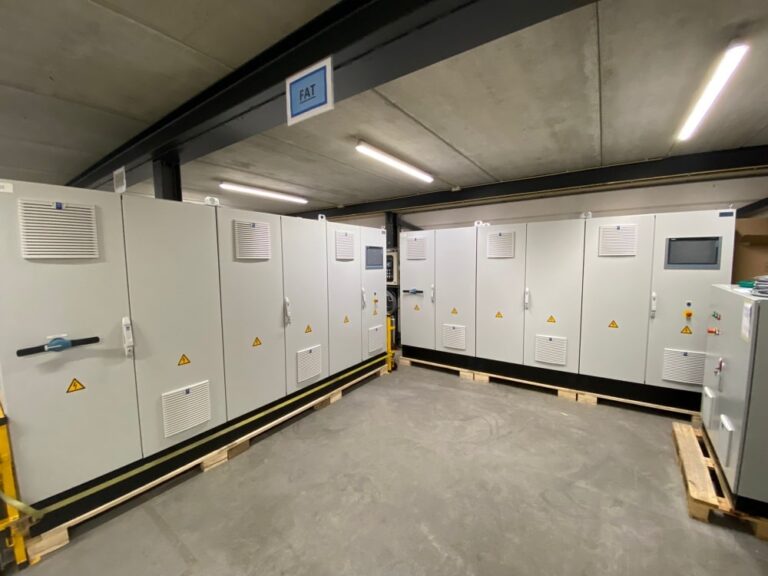
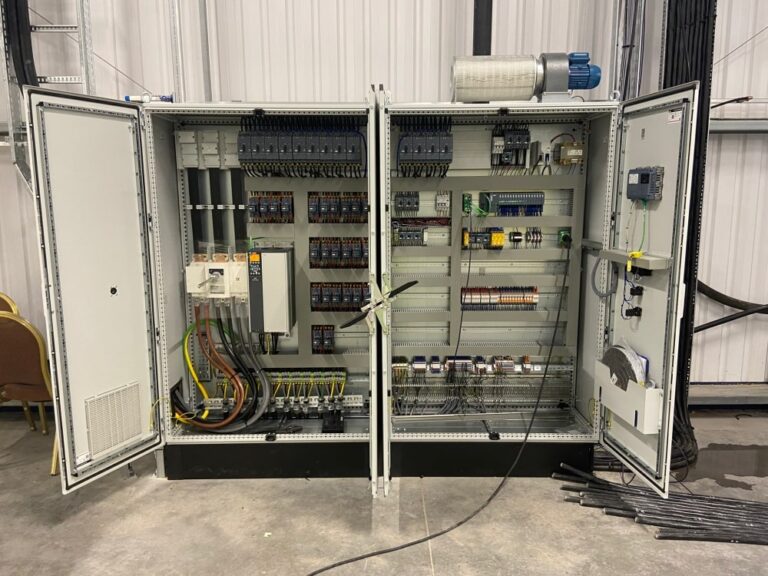
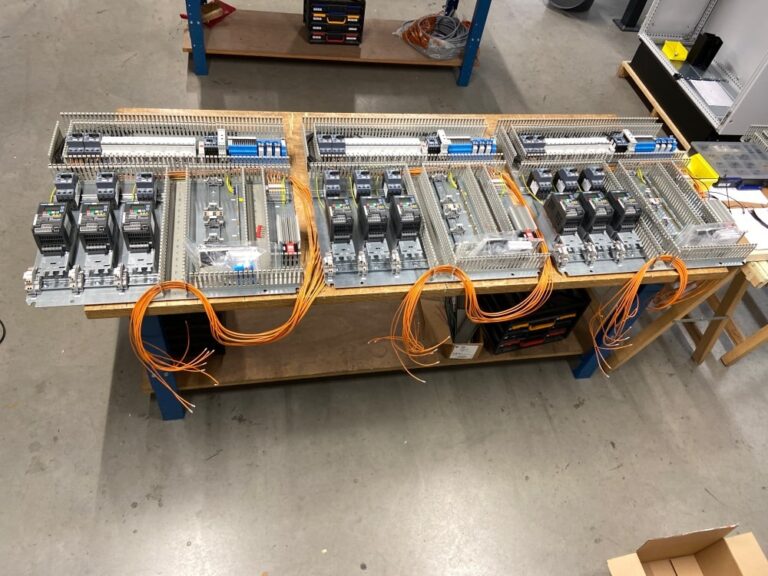
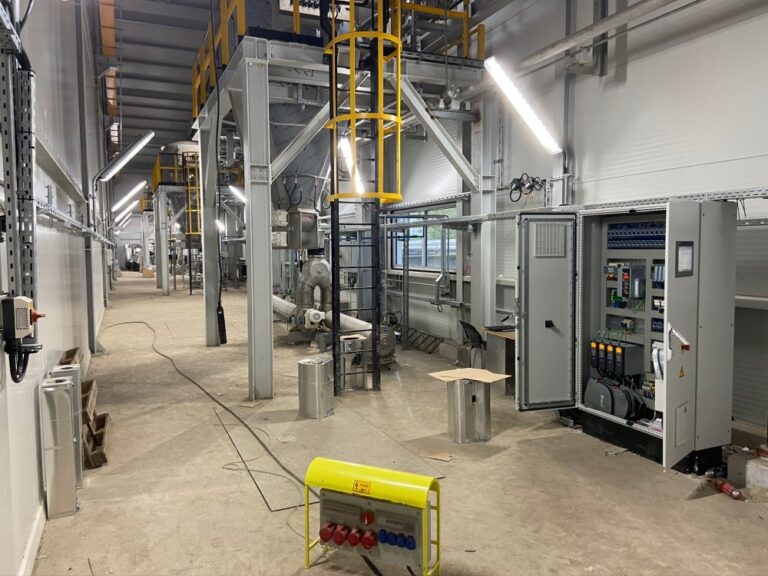
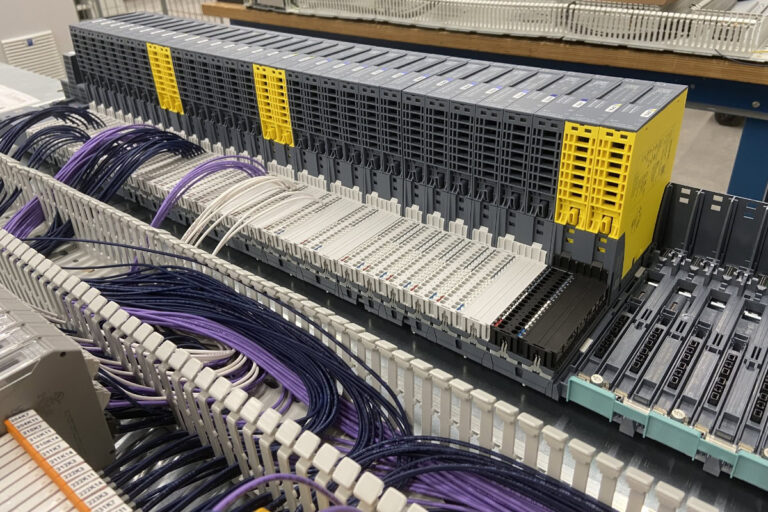
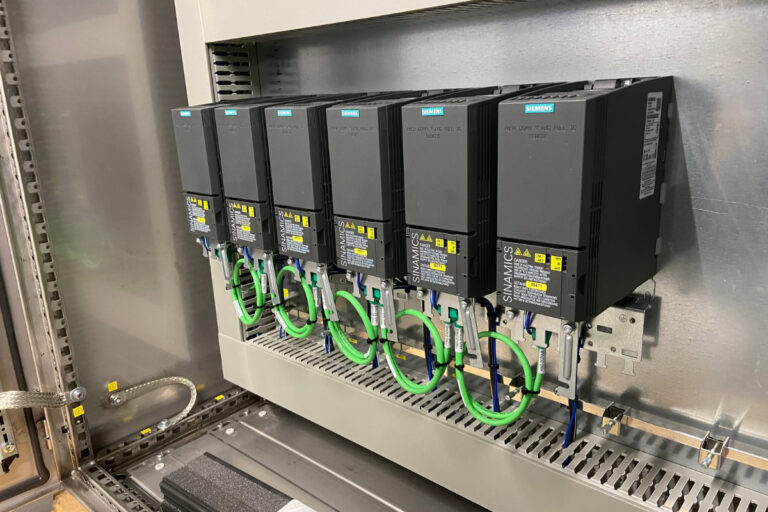
Electrical engineering design is the backbone of any control system. Discover how our hardware engineering is reflected in a variety of projects – from industrial robotics to intelligent infrastructure solutions.

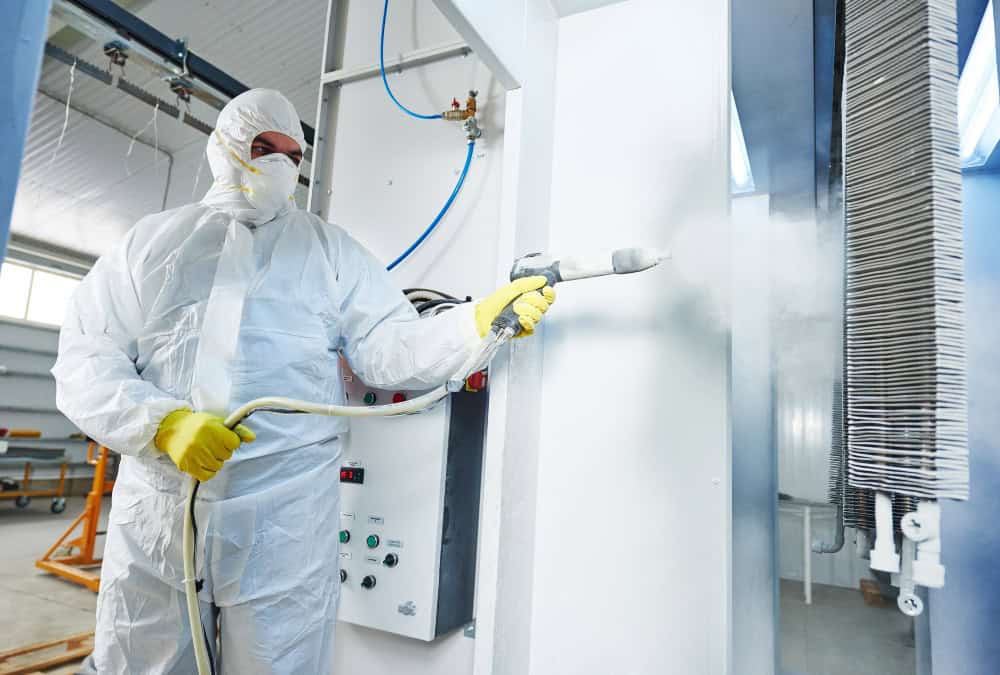
Powder coating control systems

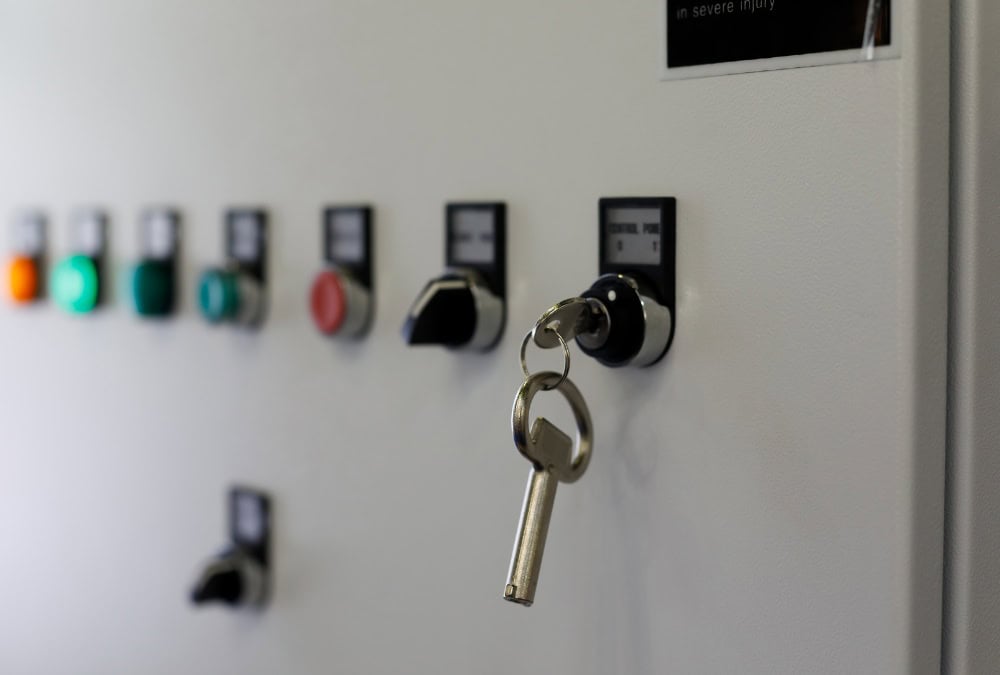
Control cabinets printing industry

PLC for waste handling

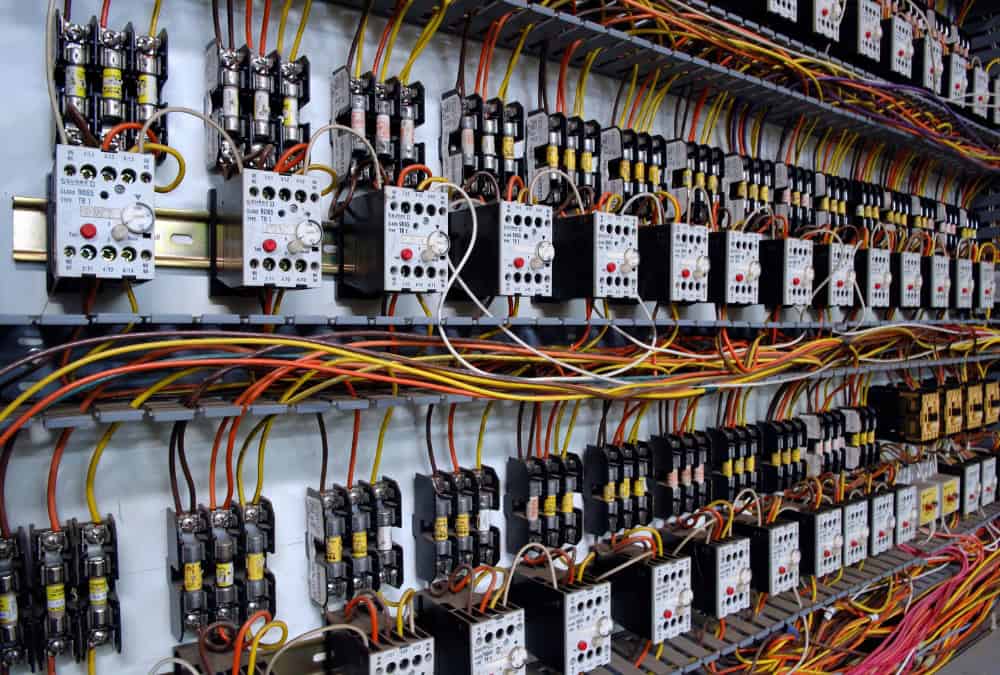
Electrical panels for smart infrastructure

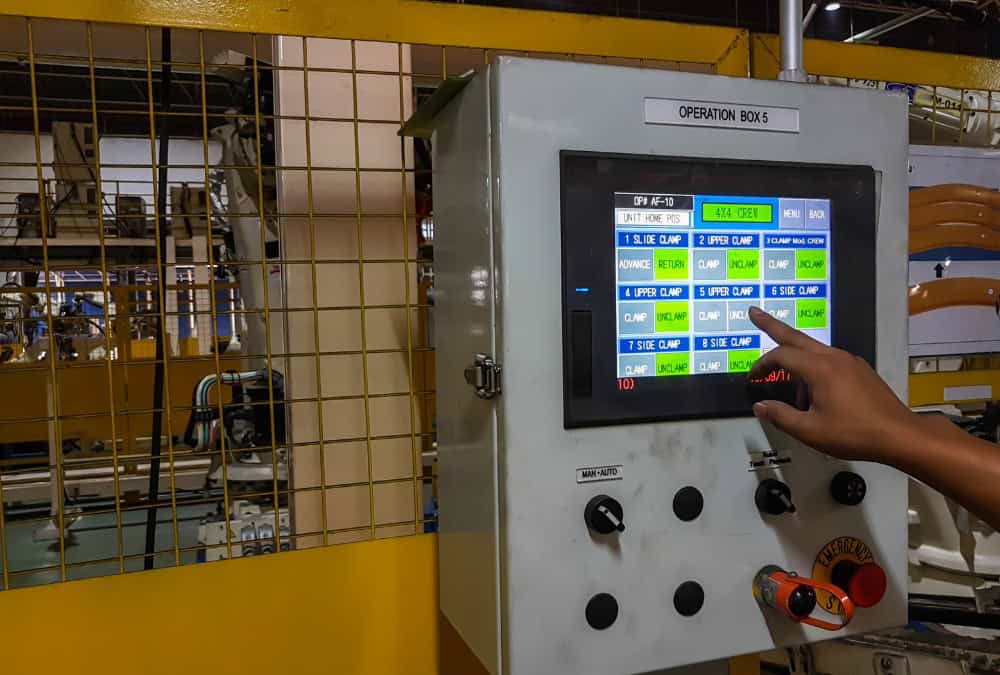
Industrial robot control systems

Simulator control systems

Years of experience in the field of industrial automation

Satisfied customers
0 +
Panels built
0 +
Years of experience
0 +

From technical concept to feasible electrical design

An electrical installation begins with a well-thought-out design. At Kwadrant IA, hardware engineering forms the bridge between functional requirements and a technically feasible solution. Our engineers translate customer requirements into electrotechnical diagrams, cabinet layouts and drawing packages that comply with current standards and are practically feasible in panel construction, cabling and commissioning. This creates a grip on the quality, reproducibility and maintainability of the installation from the very first moment.

A hardware engineering project begins with gathering and structuring technical prerequisites. Together with the client, functional requirements, component choices and standards are determined. Think of guidelines such as NEN 1010, NEN-EN-IEC 61439 or the Machinery Directive 60204-1. This phase results in a complete functional overview and clear starting points for design and construction.

Based on the intake, electrical schematics are built in EPLAN P8. These include power flow diagrams, terminal lists, cable definitions and cabinet layouts. Where necessary, this is supplemented by 3D visualizations in Pro Panel. Through standardization and library use, we can design efficiently, minimize errors and ensure compatibility with other project phases.

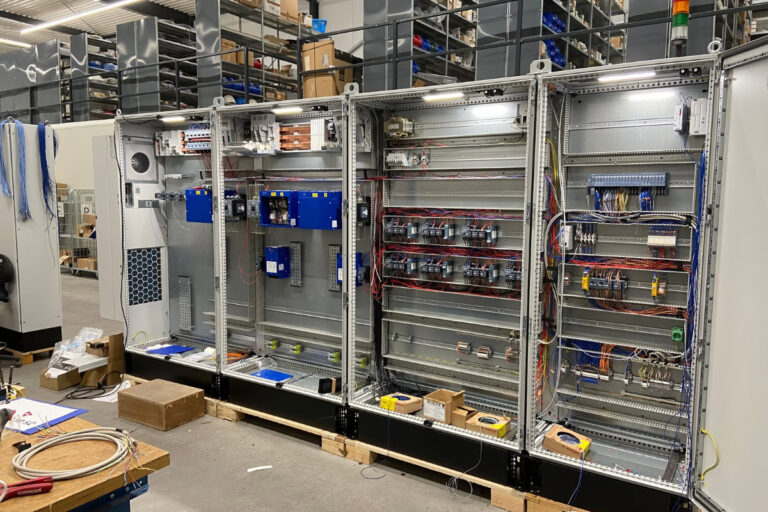
The result of hardware engineering is the direct input for panel building and installation work. Clear coding, clear cable overviews and consistent layouts allow the panel building team to produce efficiently. Even during on-site wiring and commissioning, the design ensures overview, safety and reliability. This makes hardware engineering the key to a structured and reproducible implementation.

Contact

Start your project with a technical consultation

Do you have an issue around panel building or industrial automation? We like to think with you from the initial design phase to realization and commissioning. Get in touch and discuss your project with one of our specialists.

Technical consultation

Direct contact with a specialist.

Quick follow-up

A substantive response within a short time.

Clear approach

From inventory to technical development.

Contact formulier EN (#7)

Industrial automation with international standards

Industrial automation requires more than just a correctly constructed panel. We start with the architecture of the system and make conscious choices in component selection, standardization and scalability. By fully mastering engineering, panel construction and integration, we realize control systems that perform reliably in demanding industrial environments. From modular construction to international compliance, every detail is focused on quality, longevity and manageable Total Cost of Ownership.

We do not build standard solutions, but technically sound systems that match the complexity of modern mechanical engineering.

Working together on smart and reliable solutions

At Kwadrant IA, hardware engineering is about more than just technical knowledge. It starts with clear communication, a practical approach and an eye for detail. Our engineers carefully match each design to the application, environment and applicable standards.

Thanks to an integrated working method from design to realization, we are able to switch efficiently without making concessions on quality. With Kwadrant IA, you choose a committed partner who translates complex electrical engineering issues into robust, feasible solutions.

Related articles on hardware engineering

Frequently asked questions about hardware engineering

A hardware engineer designs the electrical portion of an installation. This includes preparing electrical schematics, cabinet layout, component selection and cable specifications. At Kwadrant IA, this constitutes the first step toward panel construction and installation.

Kwadrant IA works with EPLAN P8 for electrical schematics and with EPLAN Pro Panel for 3D panel layouts. These tools ensure consistency, standardization and reproducibility in design.

Yes, the designs are prepared according to NEN 1010, NEN-EN-IEC 61439 and the Machinery Directive 60204-1, among others. UL 508A designs for export to North America are also possible.

Upon delivery, you will receive a complete drawing package, including power flow diagrams, terminal lists, cabinet layout, bill of materials and cable overviews. These are generated from EPLAN and are suitable for production and assembly.

No, hardware engineering is used for both new installations and expansions or modernization of existing systems. We take into account existing infrastructure, connection points and compatibility.

Electrical design is the direct basis for panel construction. Clear schematics, cabinet layout and coding allow panels to be constructed, tested and commissioned efficiently.